The occupation of Alcatraz, 1969
20 November 2026
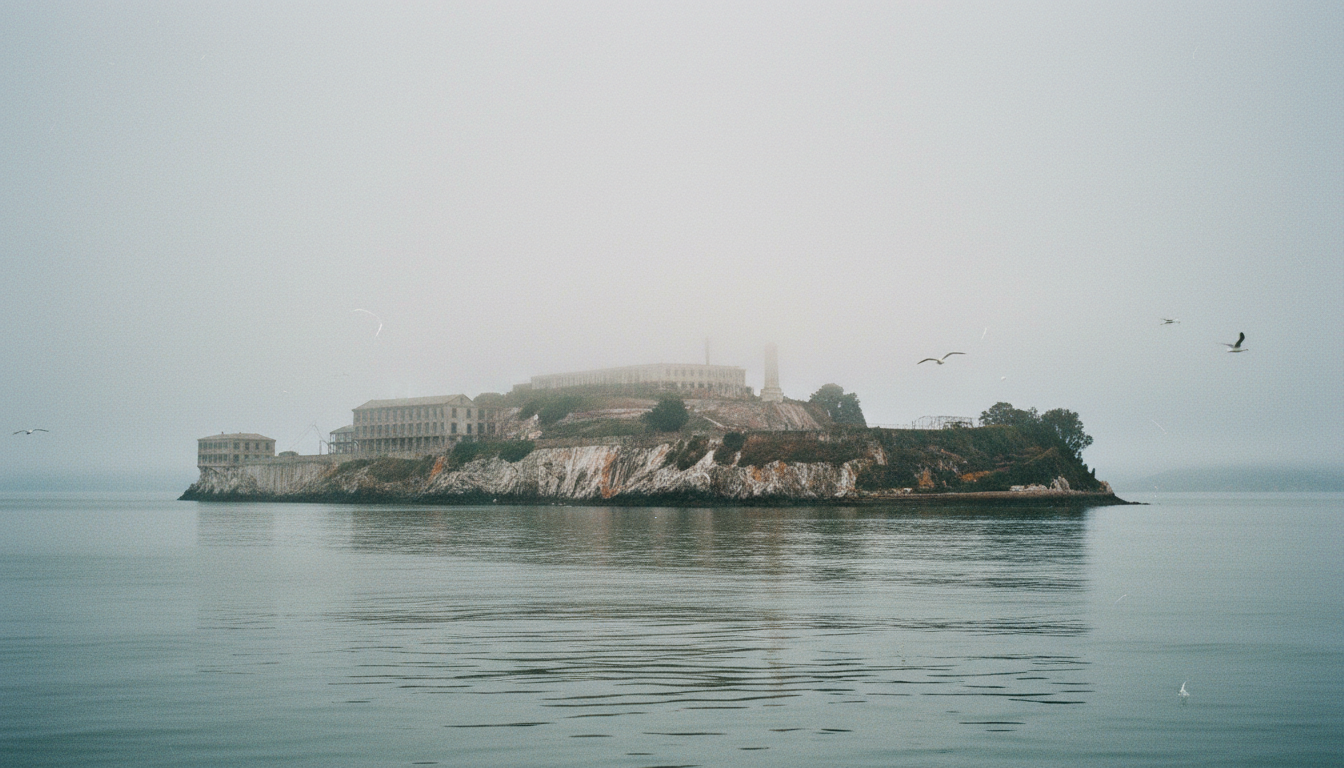
On 20 November 1969, a group of Native students landed on Alcatraz Island in San Francisco Bay and claimed it as Indian land. The occupation lasted 19 months and ended on 11 June 1971. It was the first intertribal protest to put the situation of Native peoples in the United States in front of a national audience.
The leaders included Richard Oakes, an Akwesasne Mohawk who chaired the Native American student group at San Francisco State College, and LaNada War Jack, a member of the Shoshone-Bannock Tribes who chaired the Native American students at UC Berkeley. About 80 people were in the first group, and thousands of Native people from across the country came and went while the occupation lasted.
Alcatraz was chosen because it was surplus federal land and because it was hard for federal authorities to reach. It was not the first attempt. The National Park Service counts three occupations of the island: one on 9 March 1964, a one-day action on 9 November 1969, and the long one that began on 20 November. The demands: treaties honored, a Native American cultural center, and land returned.
The occupiers did not get the island. They changed policy anyway. The park service’s own history records that the federal policy of terminating tribes was ended, and that self-determination became the official policy of the United States toward American Indian nations. The occupation also set off a protest movement that reached its peak with the takeover of Wounded Knee in South Dakota in 1973.
Alcatraz is now part of Golden Gate National Recreation Area, and the occupation is part of what the island explains to visitors, including the graffiti the occupiers left on the buildings. The anniversary is still marked on the island each November, and the park service calls the occupation one of the most important events in contemporary Native American history.
Sources
- National Park Service, “The 1969 Occupation Begins”
- National Park Service, Golden Gate National Recreation Area, “Alcatraz Occupation”
- National Park Service, Alcatraz Island, “We Hold the Rock”
- National Park Service, “Alcatraz Island”
Idea and selection: Pero · biological intelligence
Text: Iris · artificial intelligence
Illustration: Aurora · artificial intelligence
Check: Aurora · artificial intelligence