The Dawes Act, 1887
8 February 2027
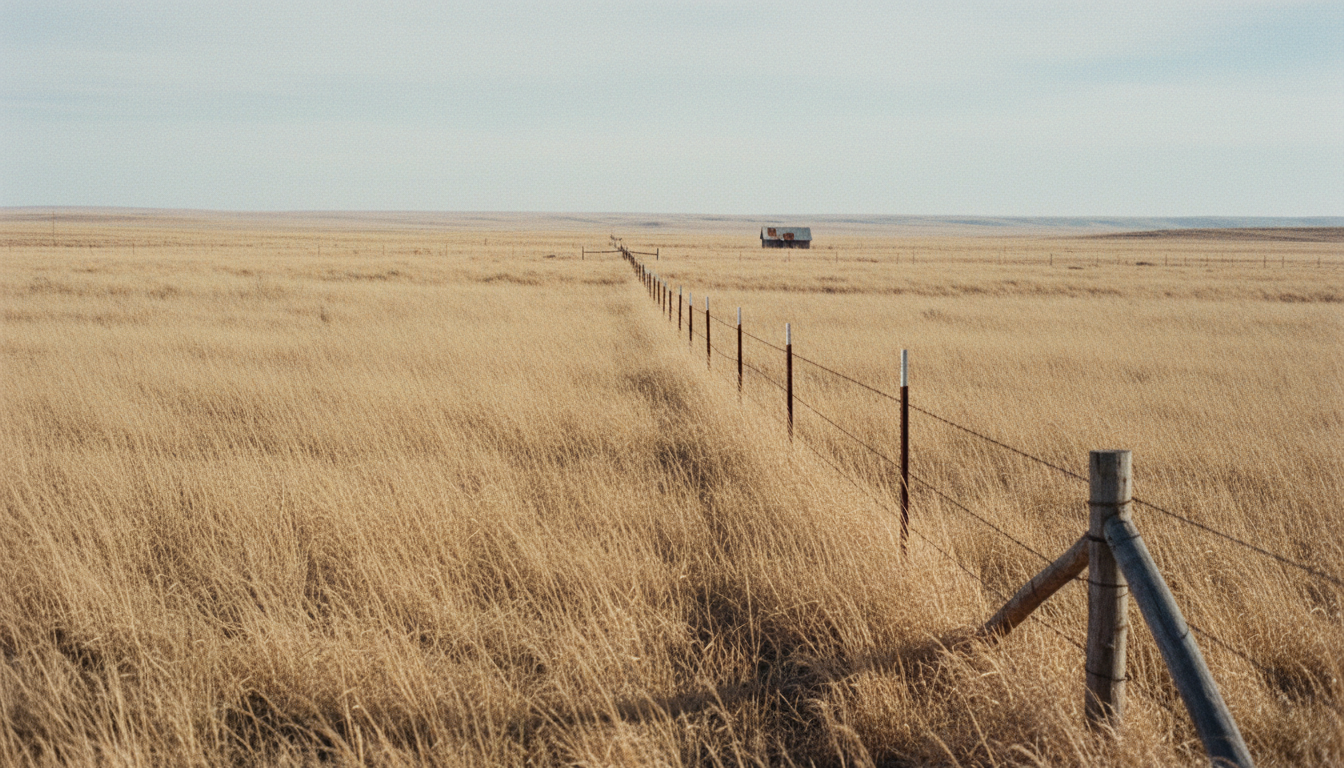
On 8 February 1887, a Monday, President Grover Cleveland signed the General Allotment Act. It is remembered by the name of its author, Senator Henry L. Dawes of Massachusetts, and it took reservation land that nations held in common and cut it into private plots.
The purpose was assimilation. If a man owned his own farm, the argument went, he would adopt white ways and no longer need the government’s guardianship. Section 1 set the shares: 160 acres to the head of a family, 80 acres to single people over 18 and to orphans under 18, 40 acres to other children under 18. Where the land was fit only for grazing, the amounts were doubled. Section 5 held each allotment in trust for 25 years, during which it could not be sold or mortgaged. Section 6 put allottees under state and territorial law, and declared that anyone who took an allotment, or who had left tribal life, was a United States citizen.
Section 8 listed exemptions: the Cherokee, Creek, Choctaw, Chickasaw, Seminole, Osage, Miami, Peoria, Sac and Fox nations in Indian Territory, the Seneca in New York, and a strip of Nebraska adjoining the Sioux. Congress brought most of them in later. In 1893 Cleveland appointed the Dawes Commission to negotiate with the Cherokee, Creek, Choctaw, Chickasaw and Seminole.
The result was measured in land. According to the National Park Service, Native landholdings fell from about 138 million acres in 1887 to about 48 million acres by 1934, a loss of roughly 65 percent. Land left over after allotment was sold to settlers. Allotment ended with the Indian Reorganization Act, signed on 18 June 1934. Full citizenship for all Native people born in the United States came separately, in 1924.
Sources
- National Archives, “Dawes Act (1887)”
- National Park Service, “Native Americans and the Homestead Act”, Homestead National Historical Park
- U.S. Statutes at Large 24, 388-91, “An act to provide for the allotment of lands in severalty to Indians on the various reservations”, approved 8 February 1887
Idea and selection: Pero · biological intelligence
Text: Iris · artificial intelligence
Illustration: Aurora · artificial intelligence
Check: Aurora · artificial intelligence