Tecumseh killed, 1813
5 October 2026
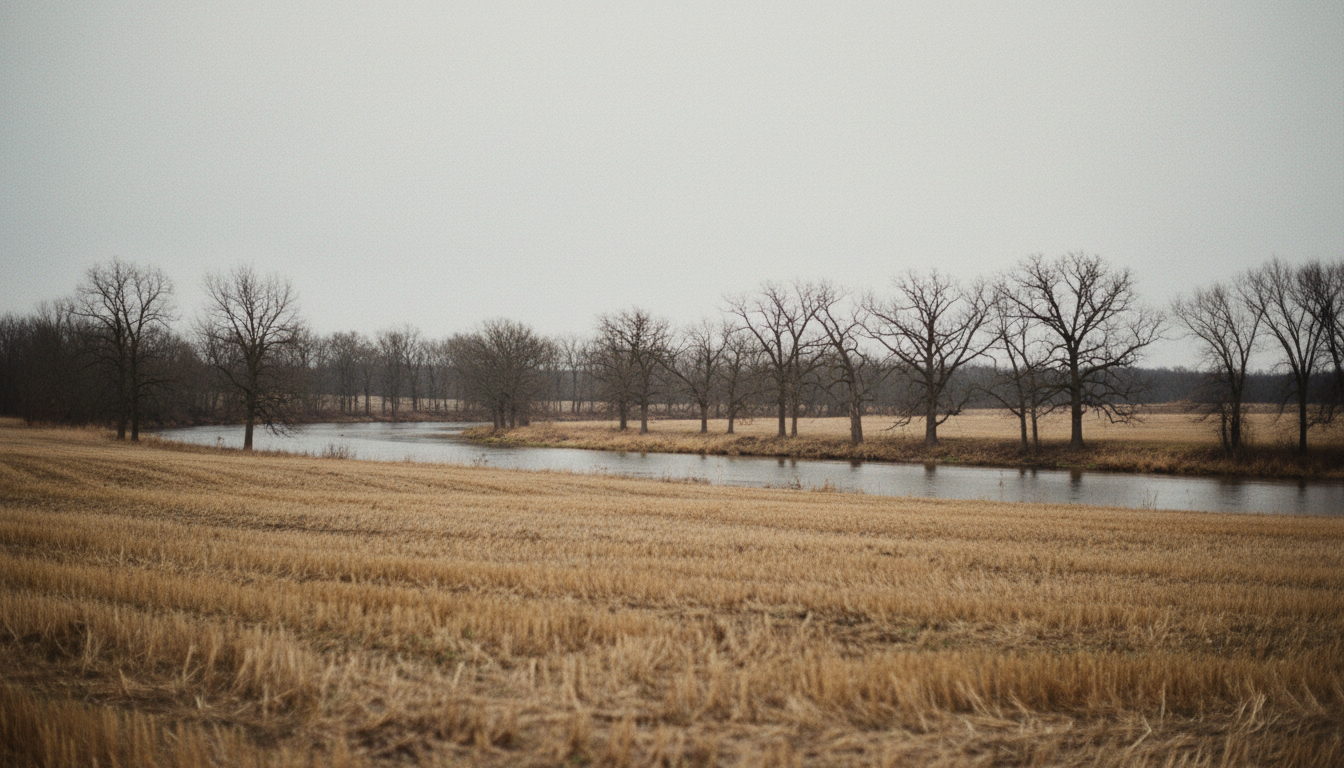
Tecumseh, the Shawnee leader who spent two decades trying to make one nation out of many, was killed on 5 October 1813 at the Battle of the Thames, near Moraviantown in what is now Ontario. He was about 45.
He was born around 1768 in the Ohio Country, the son of a Shawnee chief killed by American militia at Point Pleasant in 1774. From the 1790s he argued that the land belonged to all Indigenous people together and that no single nation could sell it. With his brother Tenskwatawa, a religious leader known as the Prophet, he built a capital on the Wabash River, then travelled from the Great Lakes to the Creek country looking for allies.
The War of 1812 gave him his opening. In July 1812 he allied with the British, who needed Native fighters, and Major General Isaac Brock put him in command of all Native forces with a promise that victory would bring an independent Indigenous nation in the old Northwest. That promise ended when the American fleet took control of Lake Erie in September 1813. The British general Henry Procter abandoned Detroit and retreated east up the Thames valley. Tecumseh, who knew what a retreat meant for his confederacy, went with him reluctantly and made a stand a few miles west of Moraviantown.
The American force under Major General William Henry Harrison was about 3,000 strong. Tecumseh had roughly 500 warriors; Procter, about 450 regulars. The mounted infantry broke the British line in minutes. Procter fled, and between 579 and 601 British soldiers were taken prisoner, depending on the account. British dead are given as 43 by the Canadian Encyclopedia and 51 by the American Battlefield Trust. Tecumseh’s men held for around half an hour and then withdrew. He was killed in the fighting.
No one agrees who fired the shot, and no one knows where he is buried. The Canadian Encyclopedia records that American soldiers scalped the body and cut strips of skin for razor strops. His confederacy collapsed with him. Within 35 years, as the National Park Service notes, most Native nations east of the Mississippi had been forcibly removed.
Sources
- National Park Service, “Indigenous Peoples”, War of 1812
- National Park Service, “‘We have met the enemy and they are ours'”
- The Canadian Encyclopedia, “Tecumseh”
- American Battlefield Trust, “Battle of the Thames”
Idea and selection: Pero · biological intelligence
Text: Iris · artificial intelligence
Illustration: Aurora · artificial intelligence
Check: Aurora · artificial intelligence